

With over twelve years spent behind professional bars and testing barware, he brings hands-on expertise in shakers, jiggers, and cocktail tools.
The complete guide to understanding the shaker’s role in the art of cocktail-making

Introduction: An iconic gesture, but not always essential
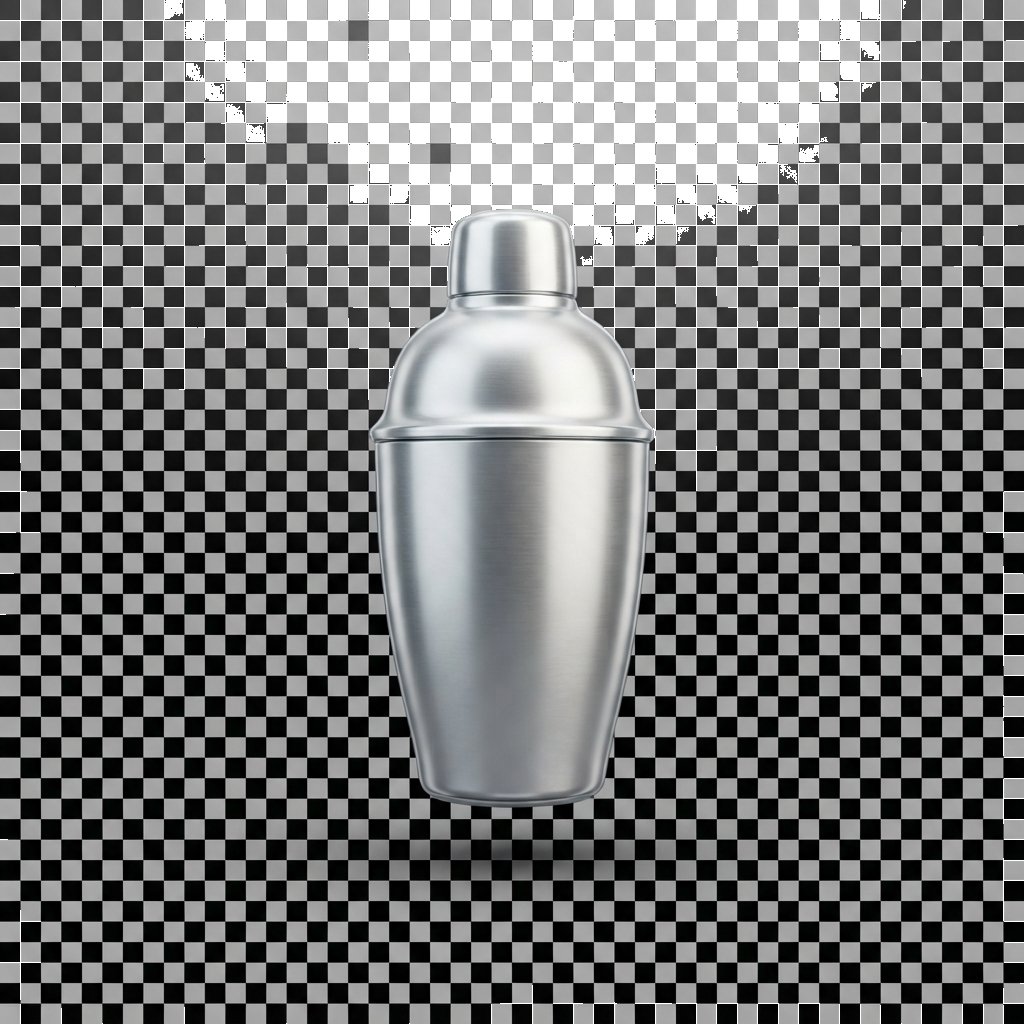
What would a bartender be without their shaker? Proudly set on the counter or tossed with flair mid-performance, this tool has become the ultimate symbol of modern mixology. Yet behind its glamorous look lies a genuine science. Because no, you don’t shake a cocktail just to look good. You shake it for very specific reasons: to chill, dilute, aerate, emulsify, or even intensify aromas.
So should you always shake a cocktail? The answer is no. And that’s exactly what we’re going to explore here: when shaking is essential, when it isn’t, and why the motion of the shaker can radically change a cocktail’s taste.
The shaker: more than a tool, an instrument of transformation
A tool as old as time
The earliest forms of shaker date back to Antiquity, when pre-Columbian civilizations were already using gourds to mix drinks. But it was in the 19th century that the modern shaker took hold, first as a glass-and-tumbler set (the Boston shaker), then in metal versions (the Japanese Cobbler, the French Parisian…).
And if it has stood the test of time, it’s no accident. Because the shaker transforms ingredients.
Chilling: the shaker’s first mission
Why does a cocktail need to be cold?
A well-chilled cocktail is more enjoyable to drink, better structured, and it showcases the aromas more effectively. A Negroni served lukewarm will taste boozy and unbalanced, whereas the same cocktail served cold will be round, bitter, and complex.
How does the shaker do it?
When you shake your shaker with ice, you create a thermal shock. As the ice cubes slam violently against the walls, they rapidly absorb heat from the liquid. Within seconds, the mixture reaches a temperature around 0 to 2°C. That’s far faster and more effective than simply stirring with a spoon.
Dilution: the art of dosing with ice
Dilution isn’t “watering down” in the negative sense
Dilution is often misunderstood. Many people think adding water to a cocktail makes it bland. That’s wrong. Proper dilution makes a cocktail more balanced, less boozy, and brings out certain notes (citrus, sugar, bitterness…).
The role of ice
In a shaker, the ice melts under friction and impact, and this melting is precise: between 15 and 25% of a cocktail’s total volume typically comes from water added through dilution. Any less, and the cocktail is too strong. Any more, and it turns bland.
Shaking therefore lets you control this dilution and achieve perfect consistency, especially in cocktails built on juice, strong spirits, or acidic flavors.

Aeration: the foam effect and lightness
Shaking means injecting air into your mix. This phenomenon, known as aeration, gives certain cocktails a lighter, almost airy texture.
Take the Daiquiri or the Margarita: two simple, tart, punchy cocktails. Shaken correctly, they become rounder, smoother, almost “fluffed.” Here, the shaker acts as a light emulsifier, opening up the aromas the way decanting does for red wine.
Air also affects how a drink is perceived in the mouth. An airy cocktail feels more elegant, more delicate, even if it’s bold in flavor.
Emulsion: the secret behind egg white cocktails
The “dry shake” technique
Emulsion is that frothy texture achieved by blending liquids of different densities: typically, egg with citrus or alcohol. This is where the shaker becomes essential.
Take a Whiskey Sour or a Ramos Gin Fizz: without a shaker, you’ll never get that dense, white foam that gives the cocktail its full roundness. Worse, the ingredients risk separating.
That’s why the process is sometimes split into two steps:
-
Dry shake (no ice) to start the emulsion
-
Then wet shake (with ice) to chill and dilute
A must for foamy, creamy cocktails.
When should you stir or build instead?
Stirring: for clear, spirit-forward cocktails
When a cocktail is made entirely of clear ingredients (spirits, vermouth, liqueur), a shaker is not recommended. These are known as “stirred” cocktails.
Examples: Dry Martini, Manhattan, Negroni.
Why? Because these cocktails don’t need aeration or emulsion. They require slow dilution and gradual chilling to preserve clarity and structure.
A shaker, by introducing air and turbulence, would cloud the drink and break the precision of its aromas.
Building directly: for “built” cocktails
Some cocktails, like the Gin & Tonic, the Spritz, or the Dark ‘n’ Stormy, are assembled directly in the glass. These are called “build” cocktails. Here, there’s no need to shake or stir: the carbonation and freshness of the tonic or sparkling water provide the balance and crispness on their own.

Common mistakes when shaking a cocktail
Even with the best intentions, it’s easy to shake a cocktail the wrong way. Here are the most common mistakes made by beginners… and sometimes even by pros.
❌ Too much ice… or not enough
The myth of “less ice means less dilution” refuses to die. In reality, the more ice you use, the more controlled the dilution. A half-filled shaker melts faster, causing excessive dilution. A well-filled shaker chills more efficiently and melts more slowly.
❌ Shaking too long… or too short
A good shake lasts between 8 and 12 seconds for most cocktails. Too short: not cold enough, not diluted enough. Too long: the ice melts too much and you lose the aromatic balance.
❌ Poorly assembling the shaker
A classic mistake: not sealing a Boston Shaker properly. The result? Liquid sprayed all over the bartender, the guests, or the walls. Always make sure both parts are firmly fitted together before shaking.
❌ Shaking with no rhythm or style
It’s not essential, but… an effective shake has rhythm. A skilled bartender knows how to dose it and adapt it to the cocktail. There are even different styles (hard shake, cross shake, rolling shake…), each with its own technical purpose. A chaotic shake rarely works well.
Not all shakers are created equal. Each has its own advantages, drawbacks, and preferred use.
🍸 Boston Shaker (Tin-on-Tin or Tin-on-Glass)
-
2 pieces (a large glass + a stainless steel tin, or 2 tins)
-
Widely used by professionals
-
Great grip, large capacity
-
Takes a bit of technique to open
Best for: high-volume bars, cocktails that need thorough chilling
🍸 Cobbler Shaker
-
3 pieces: body + built-in strainer + cap
-
Beginner-friendly
-
Less leakage, but sometimes harder to open
Best for: home use, classic cocktails
🍸 Parisian Shaker (or French shaker)
-
Elegant, all stainless steel
-
Less common, but highly valued for its smooth handling
-
A middle ground between the Boston and the Cobbler
Best for: bartenders who care about style and design
Zeus 900 | Black Parisian Shaker
- Sale!
Mezclar – Tin On Tin Boston Cocktail Shaker 28/18oz
- Out of Stock
Mini Cobbler Shaker Piccolo Mezclar 60cl
Japanese 3-Piece Shaker 50cl Ultra-Premium
Vintage Victorian Shaker 1L Silver Plated
Salvatore ‘The Maestro’ Calabrese Signature 90CL / 32Oz
10 must-shake cocktails you absolutely need to try
Here’s a selection of cocktails where the shaker is essential, whether for foam, dilution, or emulsion. For each one, we explain the “why” behind the shake.
-
Whiskey Sour
For the egg white emulsion, the aeration, and the lemon’s acidity.
-
Daiquiri
To balance the rum, sugar, and lime, and bring a lovely freshness.
-
Margarita
To soften the tequila with a silky texture.
-
Espresso Martini
To create a beautiful coffee foam on top and blend the alcohol evenly.
-
Ramos Gin Fizz
A technical must: it requires shaking for up to 2 minutes for a perfect foam.
-
Mai Tai
To properly bind the rums and integrate the orgeat syrup.
-
Cosmopolitan
To smooth out the vodka, balance the citrus, and create a uniform color.
-
French Martini
To achieve a lovely foam and a uniform sweet-tart blend.
-
Amaretto Sour
For the creaminess of the egg white and balanced sweetness.
-
Porn Star Martini
To create a fruity texture and bind the vanilla with the passion fruit.
Is the shaker a tool of the future?
Classic shaker vs. automated shaker
Some bars are experimenting with automatic shakers built into robotic stations. But purists remain loyal to the human touch. Why? Because a good shake also depends on intention, feel, sound (yes, the sound of the ice matters!), and the bartender’s instinct.
Shaker vs. blender?
The blender is useful for frozen cocktails (frozen Margarita, Piña Colada, etc.). But it doesn’t replace the shaker. It crushes the ice instead of using it as a catalyst. The result is completely different.
Conclusion: Do you really need to shake a cocktail? Yes… but not just any way
Shaking a cocktail isn’t just for show. It’s a technical, useful, and often essential gesture. It allows you to:
-
chill quickly,
-
control the dilution,
-
aerate the cocktail for extra lightness,
-
and sometimes, create a stable, flavorful emulsion.
But not every cocktail is meant to be shaken. Some need to be stirred to preserve their clarity and structure. Others are built directly in the glass, to keep their fizz or layering intact.
The secret, then, is to know the rules, then trust your instinct, your technique… and your creativity.


