

With over twelve years spent behind professional bars and testing barware, he brings hands-on expertise in shakers, jiggers, and cocktail tools.
Over the years, the French Martini cocktail has quickly gained ground, becoming a
signature cocktail beloved in bars around the world. Renowned figures from the world
of bartending and mixology, such as Dale DeGroff, often praised for his role in the
modern cocktail renaissance, and Audrey Saunders, a visionary who shaped the
cocktail landscape in New York, undoubtedly helped popularize these
accessible yet elegant creations. Even today, at events such as Tales of
the Cocktail (an annual festival) and London Cocktail Week, the French Martini stands as a testament to
the cocktail’s lasting history and its adaptability to modern mixology trends. It
offers a fascinating contrast to the strictness of the Prohibition Era (1920s-1933), showing an
evolution toward bright, fruity flavors rather than masked spirits. As
Clara Beaumont, Cocktail Historian (Post-Modern Era), notes: “The French Martini serves as a
‘bridge cocktail,’ connecting the austere elegance of traditional martinis with the accessible fruitiness
sought by a new generation of cocktail enthusiasts.”

- vodka 40 ml
- Chambord 15 ml
- pineapple juice 40ml
- Difficulty 1/5
- Prep time 2min 30 sec
The Ingredients and Their Role
Vodka (40 ml):
Vodka forms the alcoholic base of the cocktail. Its role is to provide structure, strength and a clean backbone without overpowering the other flavors. Since its profile is fairly neutral, it lets the black raspberry liqueur and pineapple juice take center stage. In a French Martini, it gives the drink body and keeps it from tasting too sweet or too soft.
Chambord (15 ml):
Often associated with Chambord, black raspberry liqueur gives the French Martini its aromatic identity. It’s what provides the fruity, indulgent, slightly jammy note that makes this cocktail so appealing. It also adds a touch of depth and a rounder mouthfeel. Without it, the cocktail would lose all its character.
Pineapple Juice (40 ml):
Pineapple juice plays two essential roles. On one hand, it brings freshness and a hint of exotic flavor that balances the raspberry. On the other, it contributes to the French Martini’s signature texture. When shaken well, it creates a fine, elegant foam on top of the glass, reinforcing the cocktail’s chic, visual appeal. It’s a key ingredient for both smoothness and presentation.
Ice:
Even though it isn’t part of the final composition as an aromatic ingredient, ice plays a fundamental role. It quickly chills the mix, provides the right dilution, and helps create the characteristic foam of the French Martini during shaking. Good-quality ice noticeably improves the final result.
Presentation and Tasting Tips
The French Martini charms as much with its taste as with its presentation. Served in a well-chilled cocktail glass, it has an elegant, refined and instantly festive look. Its light foam on top, achieved with pineapple juice and a vigorous shake, plays a big part in its visual identity and reinforces its chic image.
To showcase it properly, it’s important to chill the glass before serving.
A glass that’s too warm would cause the foam to fall faster and detract from the experience. Its color, often slightly pink to copper depending on the liqueur used, further enhances its upscale feel. A twist of lemon can also be expressed over the glass to add a fresh, subtle touch.
The French Martini is best enjoyed early in the evening, as an aperitif, but it also fits perfectly into a dressier or more festive setting. Its fruity, smooth and approachable profile makes it enjoyable even for those less drawn to dry or bitter cocktails. It should be drunk well chilled, right after serving, to fully enjoy its frothy texture and aromatic balance.
It’s best savored slowly, in small sips, to appreciate the sweetness of the black raspberry, the freshness of the pineapple and the crispness of the vodka. It pairs very well with light appetizer bites, fresh fruit or refined finger food. For the best tasting experience, avoid letting it sit for too long. The French Martini is a cocktail of pleasure and elegance, designed to offer a simple, indulgent and polished experience, which explains why it remains so popular today.
Tin on Tin Koriko®
KORIKO® 2-PRONG COCKTAIL STRAINER
Aero Stainless Steel Jigger 25/50 ml
Plastic Drainer Ice Scoop
Martini Champagne & Cocktail (Box of 6 Glasses)
- Out of stock
Maraschino Cherry 245g
-
Chill the cocktail glass before starting to ensure a nicely cold serve.
-
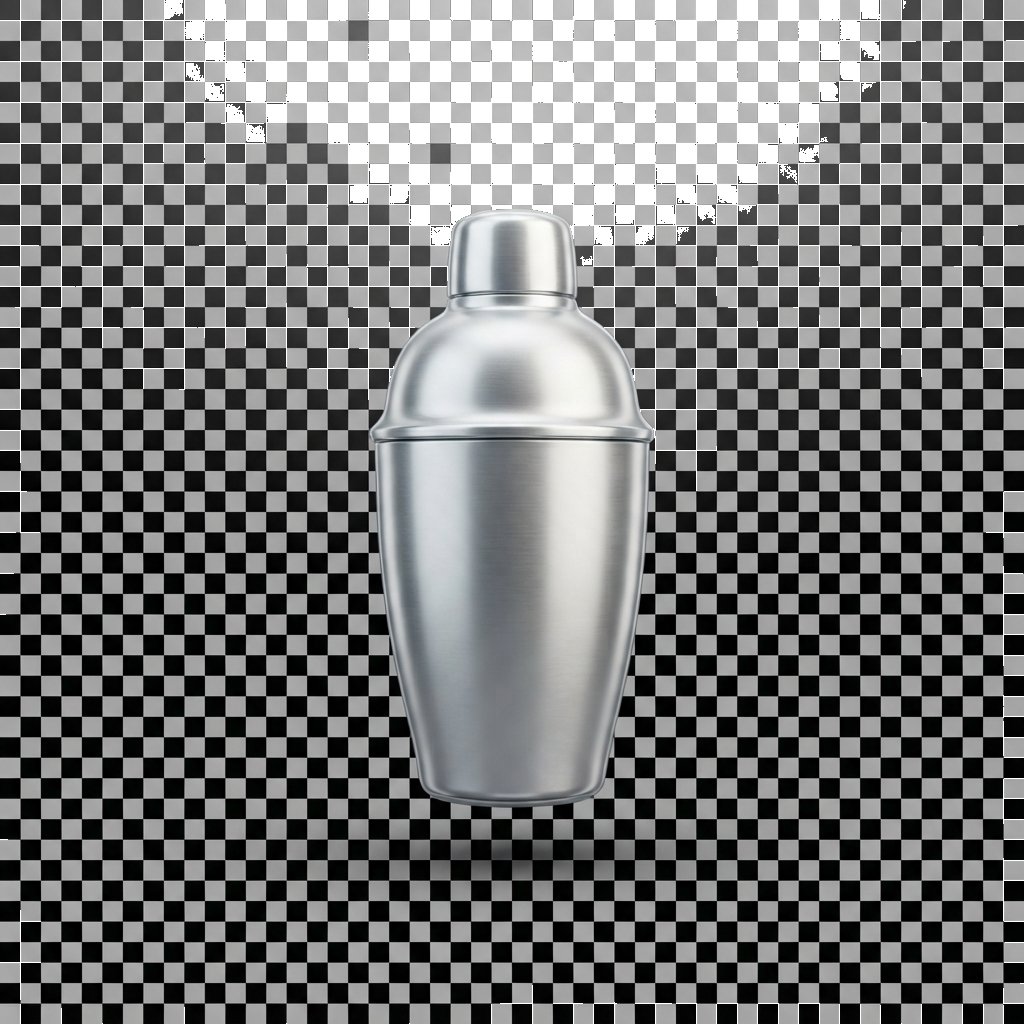
Fill a shaker with a generous amount of ice.
-
Pour 4 cl (1.4 oz) of vodka into the shaker.
-
Add 1.5 cl (0.5 oz) of black raspberry liqueur.
-
Top up with 4 cl (1.4 oz) of fresh pineapple juice.
-
Shake vigorously for several seconds to chill the mix thoroughly and create a nice foam.
-
Strain the cocktail into the pre-chilled cocktail glass.
-
If desired, add a twist of lemon expressed over the glass.
-
Serve immediately and enjoy well chilled.
The French Martini emerged in New York in the mid-1990s, at a time when vodka-based cocktails were becoming hugely popular. Back then, consumers were looking for drinks that were fruitier, sweeter and more approachable than classic cocktails. Its origin is often linked to Dale DeGroff and the world of restaurateur Keith McNally. The cocktail is said to have first been served at Pravda, a New York bar known for its vodka culture, before becoming better known at Balthazar. It was in this context that it became one of the iconic cocktails of the modern martini wave.
Even though it bears the name Martini, the French Martini isn’t a Martini in the classic sense. It contains neither gin nor vermouth. Its name mainly comes from the fact that it’s served in a cocktail glass, like many creations of that era that were dubbed “martini” as a matter of trend. The word “French” refers to the black raspberry liqueur used in the recipe, often Chambord, which carries a French image.
The French Martini’s success rests on a simple recipe: vodka, black raspberry liqueur and pineapple juice. This blend makes for a fruity, smooth and easy-drinking cocktail. In the 1990s, it perfectly answered the demand for cocktails that were elegant, visually appealing and enjoyable from the very first sip. Even today, it remains significant in the history of modern cocktails, as it helped popularize a new generation of drinks served in a cocktail glass.
By the late 1990s, it hadn’t just become popular in bars: it had also become a genuine marketing tool. Its chic name, elegant visual and easy-to-love recipe made it a perfect cocktail for promoting both vodka and black raspberry liqueur, particularly Chambord. It represented exactly what audiences were looking for at the time: something sophisticated in appearance, fruity in taste and simple to order.
The French Martini is also often cited as one of the cocktails that launched the great wave of “modern martinis.” At the time, almost every cocktail served in a cocktail glass ended up taking on the name martini, even without any connection to the classic Martini. The French Martini therefore helped cement this trend firmly in bars. This anecdote sums up its importance well: it wasn’t just an enjoyable cocktail to drink, it was also a symbol of trend, style and modernity.
