

With over twelve years spent behind professional bars and testing barware, he brings hands-on expertise in shakers, jiggers, and cocktail tools.

Few drinks embody the perfection of balance in mixology quite like the Margarita cocktail. As part of the sacred trinity of “Sour” cocktails (alongside the Sidecar and the Daiquiri), the Margarita is a formidable skill test for any bartender. Behind its three seemingly simple ingredients lies a fascinating chemical complexity between acidity, saltiness, and the herbaceous power of agave.
Served “Up,” “On the rocks,” or “Frozen,” this Mexican classic demands surgical precision. A mediocre tequila or industrial lime juice is enough to shatter the harmony. This expert guide breaks down the winning mechanics behind this liquid monument, so you can serve up an unforgettable tasting experience.
An icon of global mixology
Legend and history: The hazy origins of a myth
As is often the case with historic cocktails, the true creator of the Margarita cocktail is disputed. One of the most persistent legends places its creation in 1948 in Acapulco, where socialite Margaret Sames is said to have mixed her favorite spirits for her guests. Another trail leads to Tijuana in 1938, where a bartender allegedly crafted the drink for a dancer who was allergic to every spirit except Tequila.
Whatever the historical truth, the Margarita has conquered the world thanks to its ability to refresh while delivering aromatic complexity. It has made its mark equally in humble neighborhood cantinas and luxury hotel bars, becoming the best-selling Tequila-based cocktail in the world.
The “daisy” family: Understanding the cocktail’s DNA
To understand the Margarita’s structure, you have to go back to the category of cocktails known as “Daisies” (“Margarita” being Spanish for “daisy”). A Daisy follows an unwavering formula: a base spirit, a citrus juice (acidity), and a sweetening agent (often a liqueur or syrup).
The Margarita cocktail is simply the Tequila-based version of the Daisy, where the agave spirit replaces Brandy or Gin, lime replaces lemon, and orange liqueur acts as the sweet modifier. Understanding this DNA helps the mixologist better grasp the ratios and adjust the balance depending on the ingredients used.
The trinity of ingredients: The demand for quality
Choosing the right Tequila: Blanco, Reposado, and 100% Agave
This is the cornerstone of the recipe. The fundamental mistake is using a “Mixto” Tequila (a blend of agave sugar and other fermentable sugars). For a true Margarita, the “100% de Agave” label is non-negotiable.
- Blanco (Silver) Tequila: the purist’s choice. Unaged (or barely aged), it offers very distinct vegetal, peppery, and mineral notes that cut through the acidity of the lime. This is the recommended option for a bright, punchy Margarita.
- Reposado Tequila: aged between 2 months and 1 year in oak barrels, it brings softer notes of vanilla and caramel. It allows for a rounder, more complex Margarita, ideal for slower sipping.
Orange liqueur: The Cointreau vs. Triple Sec showdown
The sweetening agent acts as a buffer between the strong alcohol and the citric acid. Triple sec is a generic name for an orange-peel liqueur. Entry-level products are often overly sweet and lacking in natural aromas. Cointreau (or a well-crafted Curaçao Dry) is technically a Triple Sec, but of superior quality. Its alcohol content (40°) helps maintain the cocktail’s strength while contributing highly fragrant essential oils of bitter and sweet orange. For a dry, elegant profile, Cointreau is the standard. For a richer, more liqueur-forward version, some prefer Grand Marnier (a cognac base), turning the drink into a “Cadillac Margarita.”

The crucial importance of fresh lime
There’s no room for compromise here: the juice must be freshly squeezed. Lime juice contains citric and malic acid, but also volatile oils in its zest. Bottled juices (pulco or sour mix) are often pasteurized, which “cooks” the aromas and leaves a metallic or oxidized taste. Only fresh fruit guarantees that acidic “bite” (the kick) that makes your mouth water and balances the sweetness of the liqueur.
Equipment and the art of rimming
The coupe glass and the art of the “Rim” (salt rimming)
The iconic glass is the two-tiered “Margarita coupe,” though many modern bars favor the classic Marie-Antoinette-style coupe for extra elegance. The salt rim isn’t just decoration. Scientifically, salt is a bitterness inhibitor and a flavor enhancer. On contact with the tongue, it suppresses the perception of any potential bitterness from the lime peel or the tequila, while bringing out that addictive sweet-salty edge. Pro tip: only rim half the glass (the “half rim”). This lets the drinker choose whether to sip with or without salt with each mouthful, creating an evolving tasting experience. Use fine sea salt flakes rather than coarse cooking salt, which can be too harsh.
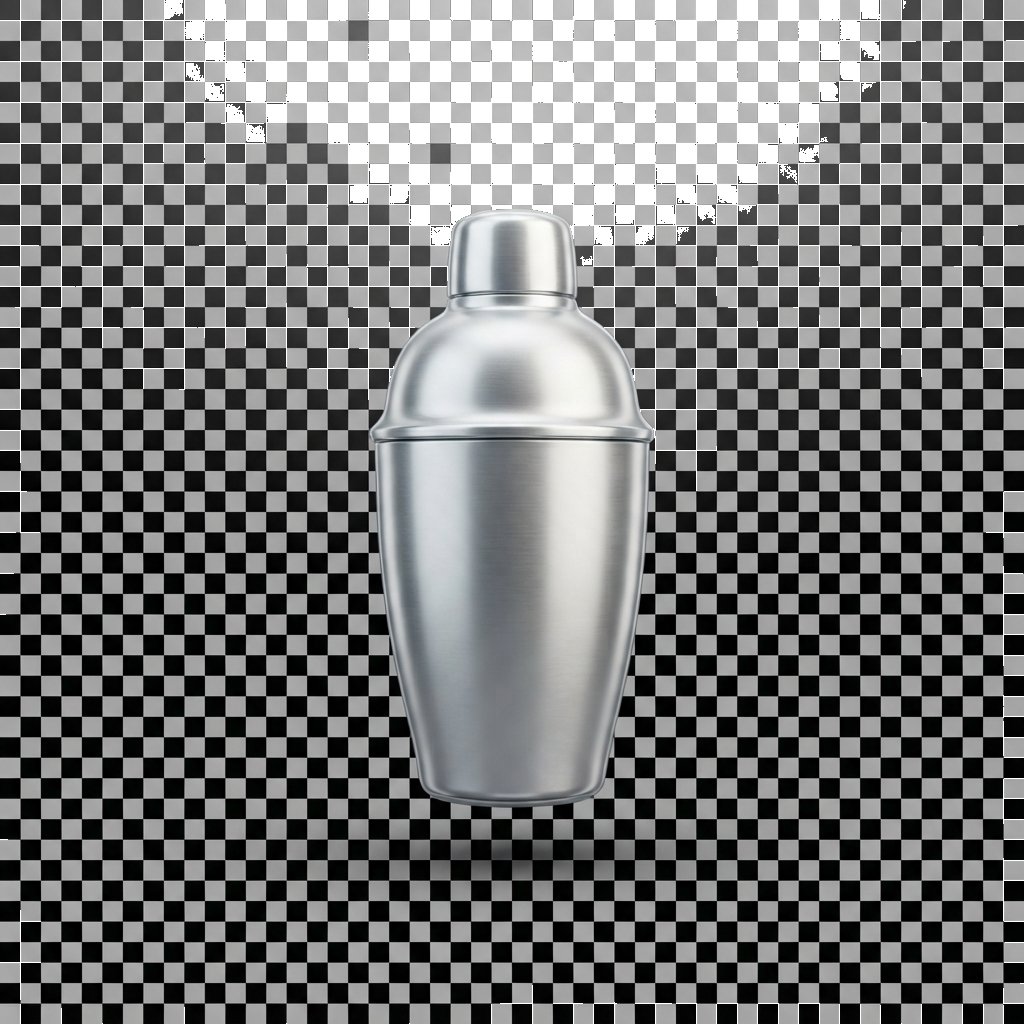
Why the shaker is essential for emulsion
The Margarita cocktail must be shaken, never stirred with a spoon. The mechanical action of the ice in the shaker allows you to:
- Chill the mix down to a sub-zero temperature (-4°C to -6°C).
- Dilute the mix (about 15-20%) to open up the aromas.
- Aerate the liquid to bind the very different densities of syrup, juice, and alcohol. The result should be a cloudy, almost opalescent drink, with fine shards of ice suspended in it (the “paillettes”) if served “Up.”
The official recipe and its ratios
The classic measure: The 2:1:1 rule
While tastes are shifting toward drier profiles, the historic ratio remains an excellent starting point:
- 2 parts Tequila (40-50ml)
- 1 part orange liqueur (20-25ml)
- 1 part fresh lime juice (20-25ml)
For fans of very dry cocktails, you can move to a 2:0.5:1 ratio (more tequila, less sweetness), but this calls for an exceptional tequila so as not to overpower the palate.
Preparation protocol: Shake and strain
- Rim half of your glass with lime and fine salt. Chill in the fridge.
- Pour all the ingredients into a shaker.
- Fill with ice cubes (solid, dry cubes).
- Shake vigorously for 10 to 15 seconds.
- Double strain into the coupe to catch any small ice fragments, or serve over fresh ice in a rocks glass if that’s the customer’s preference.
Modern variations and twists
The Tommy’s Margarita: The agave syrup variation
Created by Julio Bermejo in San Francisco in the 1990s, the Tommy’s Margarita has become almost as famous as the original. The change is simple but radical: orange liqueur is swapped out for agave syrup. The result is a drink that puts 100% of the focus on agave flavor (found in both the tequila and the syrup). It’s a purer, less “orange” version, often favored by Tequila purists.
The Frozen Margarita: A frosty texture for summer
Perfect for large batches or patio service, the Frozen version is made in a blender. The technical trick is to slightly increase the sugar dose, since intense cold numbs the taste buds and reduces the perception of sweetness. The texture should be that of a smooth sorbet, not a coarse, icy granita.
Spicy Margarita: The boldness of chili
This has been the dominant trend of recent years. By infusing the tequila with Jalapeño pepper or muddling a few fresh slices into the shaker, you add a “heat” dimension that pairs beautifully with the freshness of the lime. The rim of the glass can then be coated with a mix of salt and Tajín (a Mexican spice blend) to enhance that spicy profile.


